
How Long Do Appraisals Take?
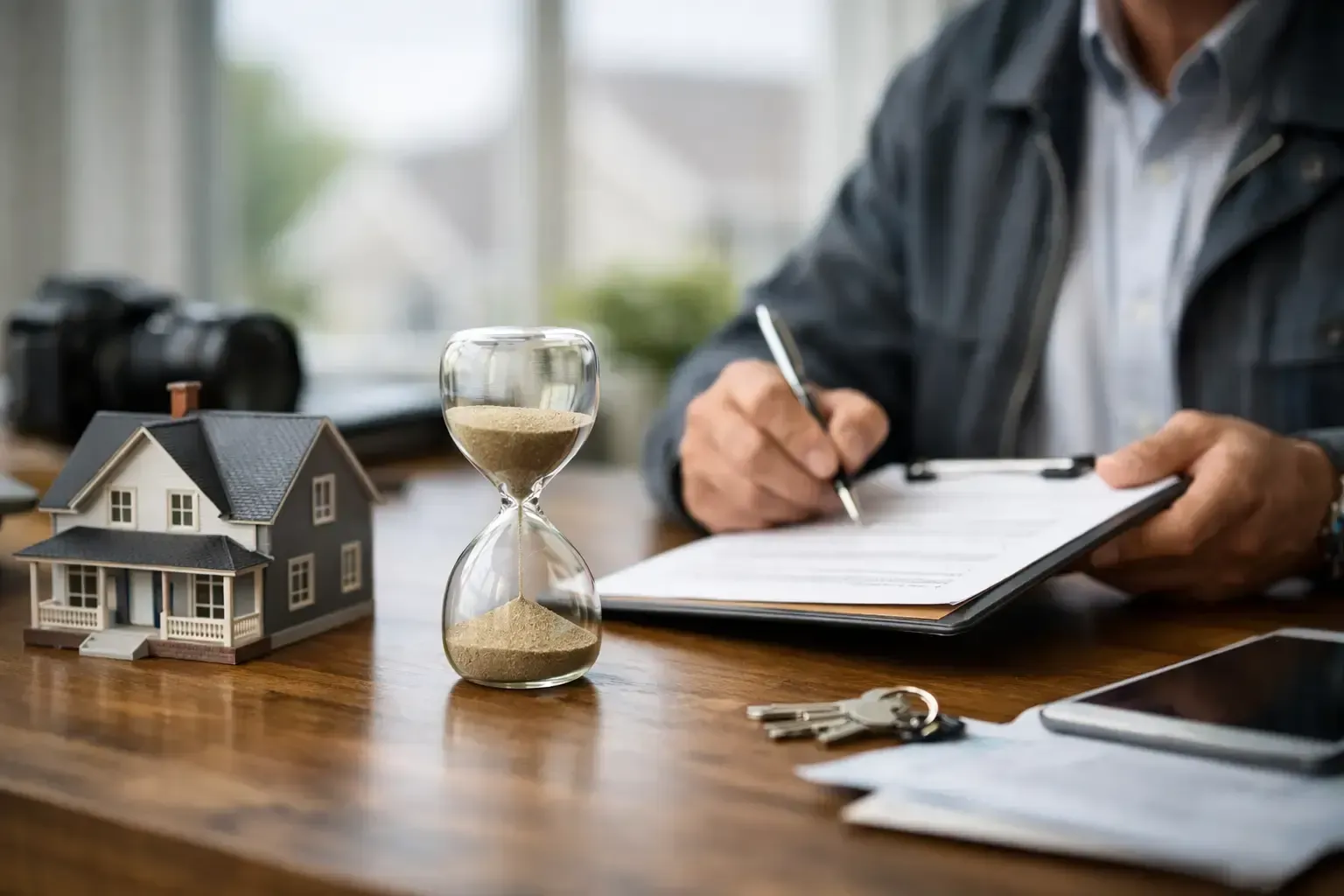
If you need an appraisal for a purchase, estate, divorce, PMI removal, or tax appeal, one question usually comes first: how long do appraisals take? The honest answer is that some are completed in a matter of days, while others take longer because the property, purpose, and required research all affect timing.
For a typical residential appraisal, the full process often takes about 3 to 10 business days from order to completed report. In straightforward lending assignments, it may move faster. In more complex matters like retrospective valuations, litigation support, or unique properties, the timeline can stretch beyond that.
What matters most is understanding where the time goes. An appraisal is not just a quick walk-through of the property. It is a certified valuation process that includes scheduling, inspection, market research, analysis, and report preparation. When the report must hold up for underwriting, court review, estate administration, or financial planning, speed still matters, but so does defensibility.
How long do appraisals take from start to finish?
Most residential appraisals follow the same broad sequence. First, the appraisal is ordered and the appraiser confirms the scope of work. Then the property inspection is scheduled and completed. After that comes the less visible part, which is often the most time-intensive: analyzing comparable sales, reviewing market conditions, reconciling the data, and writing the report.
For a standard single-family home in an active market, the inspection itself may only take 30 minutes to a couple of hours. That does not mean the appraisal is almost done. The inspection is one piece of a larger assignment. The research and reporting phase can take longer than the site visit, especially when the appraiser needs to verify recent sales, adjust for differences, or address unusual features.
If the appraisal is for a lender, there may also be an appraisal management process, underwriting review, or revision requests that add time after the initial report is submitted. If the appraisal is for a private client, such as an attorney, homeowner, or accountant, the timeline may be more direct because there are fewer parties involved.
What affects how long appraisals take?
The biggest factor is complexity. A conventional tract home in a neighborhood with plenty of recent comparable sales is usually faster to appraise than a waterfront property, a large custom home, a multi-parcel assignment, or a property tied to a legal dispute.
The purpose of the appraisal also matters. A pre-listing or pre-purchase appraisal may be relatively straightforward if the effective date is current and the property type is common. An estate appraisal with a date-of-death value can require retrospective research. A divorce appraisal may need added documentation and a report format suitable for negotiation or court use. A bankruptcy or tax appeal matter may involve a higher level of support and explanation.
Market conditions play a role too. In areas with strong sales activity, there may be more comparable data available, which can help. But in rapidly changing markets, the analysis can be more demanding because the appraiser has to account for price shifts and select comps carefully. In rural areas or neighborhoods with limited recent sales, the search for credible data may take longer.
Access is another common variable. If the appraiser cannot inspect the property promptly because of tenant schedules, gate access, weather, travel distance, or limited availability, the entire timeline moves back. Missing documents can do the same. Surveys, floor plans, renovation details, leases, or prior appraisal reports are not always required, but when they are relevant and slow to arrive, they can delay completion.
A realistic timeline by appraisal type
For a typical mortgage-related residential appraisal, many borrowers can expect completion within roughly 5 to 10 business days, though local market volume can push that shorter or longer. If demand is high and appraisers are booked out, scheduling alone may take several days.
For private appraisals, the timing often depends on the intended use. A pre-listing appraisal or PMI removal appraisal may move quickly if the home is standard and access is easy. Estate, divorce, and litigation-related work often takes longer because the report may need deeper analysis, retrospective value support, or a format that addresses legal scrutiny.
Land appraisals can also vary more than people expect. Vacant land may sound simpler than an improved property, but in some markets it is harder to find truly comparable sales. Zoning, utilities, topography, subdivision potential, and highest-and-best-use analysis can all add time.
Why some appraisals are faster than others
Two properties with the same square footage can have very different turnaround times. One may sit in a subdivision with five recent comparable sales within a mile. The other may be a custom-built home on acreage with no close substitutes. The first assignment is usually faster because the market evidence is clearer.
Report requirements also differ. A brief lending form for a standard assignment is not the same as a narrative-style report prepared for attorneys, estate representatives, or expert witness use. When a report must explain methodology in greater detail and anticipate challenges, that added care takes time.
This is where experience matters. A certified residential appraiser who knows the local market can often work more efficiently without cutting corners. Familiarity with neighborhoods, buyer behavior, and local data sources helps streamline analysis while keeping the report credible.
Can an appraisal be rushed?
Sometimes, yes. But not always, and not without limits.
If the schedule allows, an appraiser may be able to prioritize an assignment for an expedited turnaround. That usually depends on current workload, the location of the property, the complexity of the assignment, and the intended use of the report. A simple owner-occupied home with flexible access is a better candidate for an expedited timeline than a retrospective estate appraisal on a unique property.
The key point is that fast and careless are not the same thing. If an appraisal is needed for underwriting, court proceedings, probate, equitable distribution, or tax challenge support, accuracy and supportability come first. A report that arrives quickly but cannot withstand review is not actually saving time.
How to help the process move faster
Clients can help avoid delays by being ready before the inspection is scheduled. Confirming access, responding quickly to scheduling requests, and sharing relevant property details early can make a noticeable difference.
It also helps to provide a concise package of supporting information when available. Recent renovations, accessory dwelling details, income information for relevant assignments, surveys, or documents tied to the appraisal purpose can reduce back-and-forth later. Homeowners do not need to prepare a sales pitch, but accurate factual information is useful.
If the appraisal is tied to a legal or financial event, explain that at the outset. A date-of-death appraisal, divorce matter, bankruptcy case, or tax grievance may require a specific effective date or report format. Clarifying those details early helps the appraiser scope the assignment correctly from day one.
What happens after the inspection?
Many clients assume the hard part is over once the appraiser leaves the property. In reality, the inspection is often the shortest part of the job.
After the visit, the appraiser reviews notes, photographs, measurements, public records, and market data. Comparable sales must be selected, verified, and adjusted where appropriate. If there are discrepancies in square footage, condition, zoning, or ownership history, those issues may need to be researched before the report can be finalized.
Then comes reconciliation. Appraisal is not a formula that spits out a number. The appraiser weighs the evidence, explains the reasoning, and arrives at a supported opinion of value. For assignments with legal, tax, or settlement implications, that reasoning is especially important.
How long do appraisals take in busy markets?
In active regions such as parts of New York, Connecticut, and South Carolina, volume can affect timing as much as property complexity. When purchase activity is high or rates trigger a wave of refinance and PMI removal requests, scheduling windows may tighten. The best approach is to order the appraisal as early as practical and work with a firm that has local coverage and the capacity to handle the assignment type you need.
That matters even more for specialized work. Not every appraiser handles divorce, estate, retrospective, bankruptcy, or expert witness assignments with the same level of depth. If your matter is more than a routine transaction, choosing a qualified appraiser upfront often saves time overall because the report is less likely to need clarification or correction later.
A good appraisal timeline is not just about speed. It is about getting a credible report on a schedule that fits your decision, deadline, or legal requirement. If you start with the right scope, provide clear access and documents, and use an appraiser with relevant experience, the process is usually more predictable than many people expect.
When timing matters, ask for a realistic turnaround, not just a hopeful one. That simple question tends to lead to better planning and a better result.
Client Connect Blog