
Appraisal for Inherited Property Sale
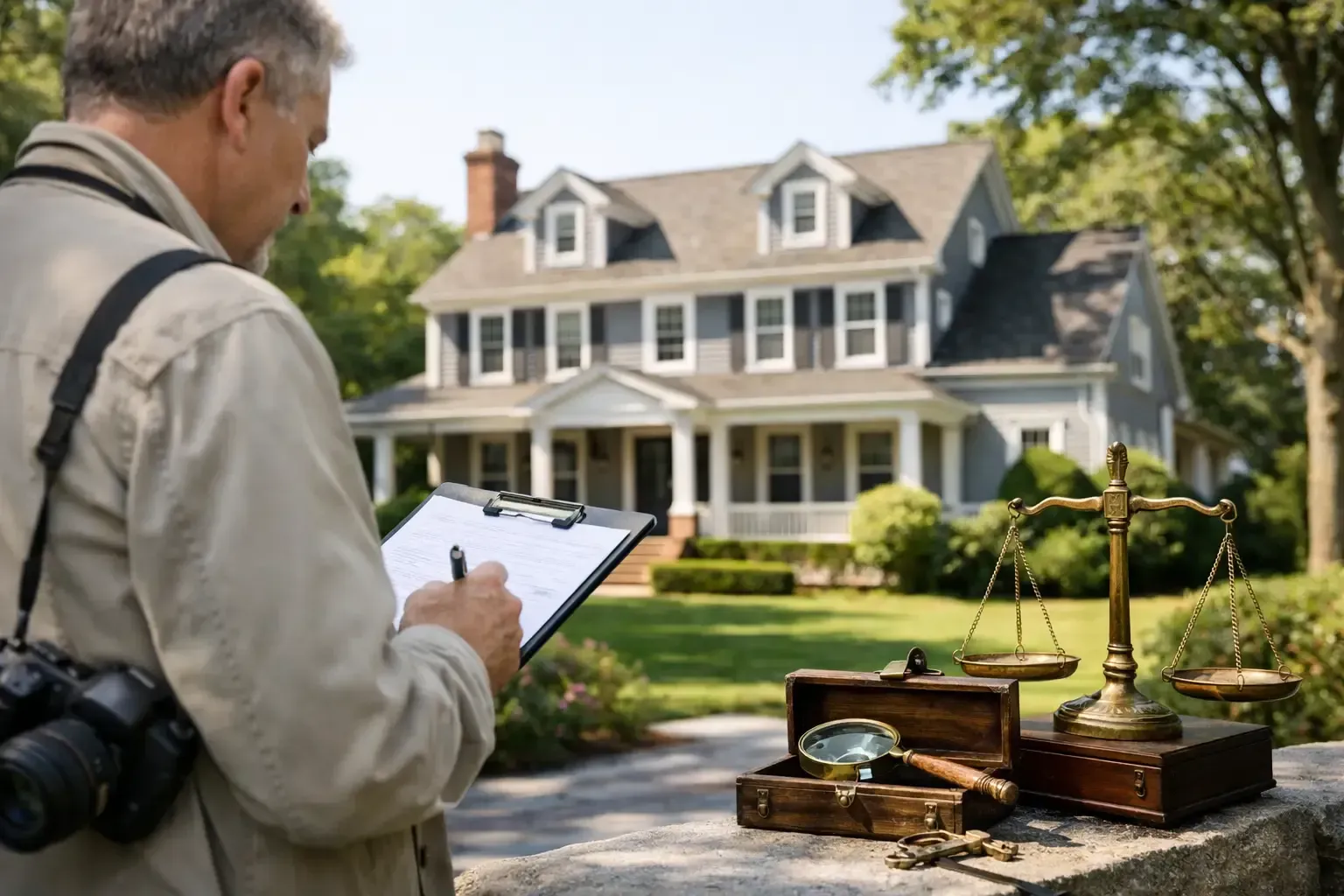
Selling an inherited home often starts with a disagreement no one wants to have. One heir thinks the property should go on the market immediately. Another believes the house is worth far more than any agent suggests. An attorney or accountant may need a documented value for probate or tax reporting. In that setting, an appraisal for inherited property sale is not just a pricing tool - it is often the clearest way to establish a defensible value and move the process forward.
This is one of those situations where timing matters. The value you need depends on why you need it. If the property is already headed to market, you may need a current market value to support listing strategy and negotiation. If the estate is being settled, a date-of-death appraisal may be required instead. Those are related assignments, but they are not interchangeable.
Why an appraisal matters before an inherited property sale
Inherited property sales carry more complexity than a typical homeowner sale. The people involved may be grieving, out of state, unfamiliar with the local market, or trying to divide an asset fairly among multiple beneficiaries. A casual opinion of value usually is not enough.
A certified residential appraisal provides an independent analysis based on market data, property characteristics, condition, location, and comparable sales. That matters when heirs need a neutral reference point, when attorneys need support for probate filings, or when financial professionals are documenting value for tax planning. It also matters when one party suspects the home is being underpriced or overpriced.
In practical terms, an appraisal can help answer several different questions at once. What is the home worth in its current condition? Does deferred maintenance materially affect value? Is a fast sale likely to require a discount? Are recent nearby sales truly comparable, or are they giving a distorted picture because of renovations, lot size, or neighborhood differences?
Appraisal for inherited property sale vs. date-of-death appraisal
This is where many property owners and estate representatives get tripped up. A current appraisal for inherited property sale reflects what the property would likely sell for in today's market. A date-of-death appraisal is retrospective. It estimates the value as of the decedent's date of death, using market conditions and relevant data from that earlier point in time.
Why does that distinction matter? Because estates, accountants, and attorneys may need the retrospective value for tax basis, estate administration, or legal reporting, while heirs preparing to sell need a current value to guide pricing. In some cases, both appraisals are appropriate.
If the property was inherited months ago and the market has shifted since then, the difference can be meaningful. A rising market may create a gap between the historical value and the current sale value. A declining market can do the opposite. Assuming one report will cover every need can create avoidable delays.
When to order the appraisal
The best time depends on the decision in front of you. If heirs are deciding whether to keep, refinance, buy out another beneficiary, or sell, an appraisal early in the process can prevent speculation from driving the conversation. If the estate is already cleared to sell, the appraisal should usually be completed before setting a list price, especially if the property has not been updated in years or has unusual features.
Waiting too long can make things harder. Once a property is listed at an unsupported price, expectations tend to harden. If offers come in lower than family members expected, conflict grows quickly. A credible appraisal at the outset gives everyone a shared frame of reference.
This is especially useful in markets with wide variation from one block to the next or where unique waterfront, luxury, historic, or rural residential properties do not fit neatly into automated estimates. In areas such as Long Island, New York City boroughs, Fairfield County, or parts of the Midlands of South Carolina, local market knowledge can materially affect the quality of the analysis.
What the appraiser looks at
A residential appraiser does more than pull a few recent sales. The report is built on verified market evidence and a detailed analysis of the subject property.
That typically includes the home's gross living area, site size, design, age, condition, quality, updates, deferred maintenance, layout, accessory features, and location influences. The appraiser also evaluates comparable sales, current listings, pending sales when relevant, and broader market trends. If the property has issues such as needed repairs, functional obsolescence, flood exposure, legal nonconformity, or excess land, those factors can significantly affect value.
Inherited homes often present special challenges. Some have been owner-occupied for decades and have not kept pace with the market. Others contain personal property, incomplete renovations, or condition issues that family members have normalized over time. An independent appraisal helps separate sentiment from market reaction.
How the appraisal helps with family and legal issues
Not every inherited property sale goes smoothly. Disputes can arise over price, timing, repairs, occupancy, and whether one heir is receiving more benefit than another. A certified appraisal does not solve every disagreement, but it often lowers the emotional temperature because the opinion comes from a neutral professional rather than an interested party.
Attorneys also rely on appraisal reports when estate matters become contested. A well-supported valuation may be useful in probate, settlement discussions, mediation, and other proceedings where documentation matters. Accountants and financial planners may need the same report for basis analysis or broader estate administration.
This is one reason experience matters. An inherited property assignment may seem straightforward on the surface, but the intended use of the report, the effective date, and the level of support required all need to be clear from the start.
Can a real estate agent's opinion replace an appraisal?
Sometimes an agent's comparative market analysis is helpful for listing strategy, but it is not the same as an appraisal. Agents are evaluating marketability and pricing tactics. Appraisers are producing an independent opinion of value under recognized professional standards.
That difference matters when the value may be challenged or used beyond marketing. If the goal is simply to test a listing range, an agent's input may be enough. If the value needs to stand up in probate, tax matters, litigation, or beneficiary disputes, an appraisal is usually the stronger choice.
In many inherited property sales, the best approach is not either-or. A current appraisal can establish a defensible value, while a knowledgeable local agent can advise on presentation, buyer demand, and listing strategy.
How to prepare for the appraisal
The process is easier when the appraiser receives clear background information. If available, provide the property address, the reason the appraisal is needed, whether a current or retrospective effective date is required, and any legal or probate deadlines. It also helps to share known updates, surveys, floor plans, prior appraisals, or details about condition issues.
Do not worry if the house is cluttered or dated. Appraisers are trained to evaluate properties in all kinds of circumstances. What matters more is access to the full home and accurate information about improvements, damage, and occupancy.
If multiple heirs are involved, decide in advance who will serve as the main point of contact. That can prevent confusion and keep communication organized.
Choosing the right appraiser for an inherited property sale
This is not the time to choose based on speed alone, although turnaround time does matter. The stronger choice is a certified residential appraiser with experience in estate-related assignments, retrospective valuations when needed, and local market analysis for the property type and area involved.
Ask whether the appraiser handles date-of-death work, probate-related assignments, and complex residential properties. Make sure the scope of work matches the actual use of the report. If the value may be reviewed by attorneys, accountants, courts, or other stakeholders, the report should be prepared with that level of scrutiny in mind.
Firms such as Connect Appraisal often work with both families and professionals in these situations, which can make the process more efficient when legal, tax, and sale decisions overlap.
Selling inherited real estate is rarely just a transaction. It is usually part financial decision, part legal process, and part family negotiation. A well-supported appraisal will not remove every challenge, but it gives you something solid to work from when opinions start pulling in different directions. That clarity is often what allows the next decision to be made with confidence.
Client Connect Blog