
Land Appraisal for Residential Property
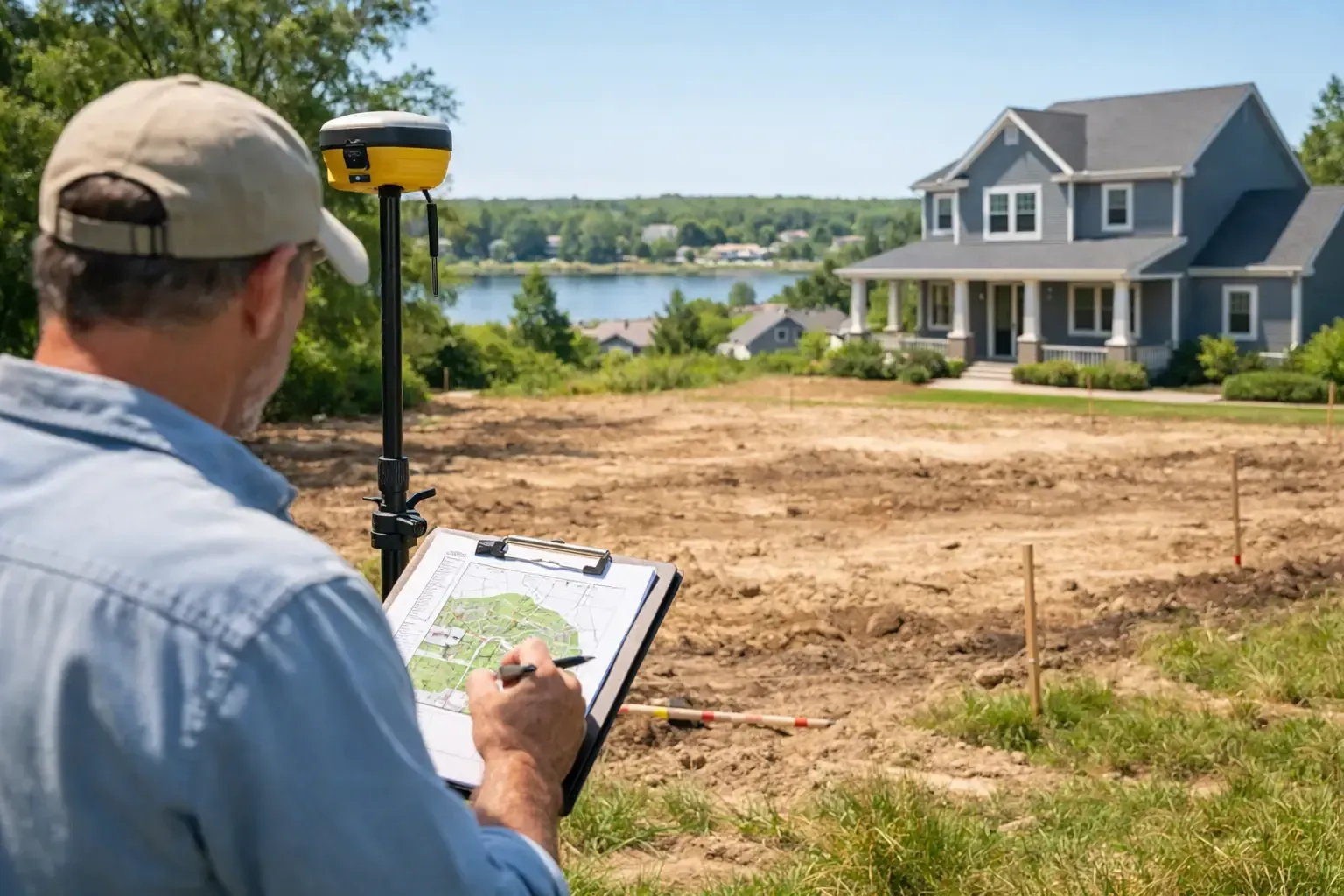
A lot can ride on the value of a residential lot before a house is ever built - or long after the home next door has doubled in size and changed the block. That is why land appraisal for residential property is not just a stripped-down version of a home appraisal. It is a separate valuation problem with its own data challenges, market pressures, and legal implications.
For homeowners, attorneys, lenders, and real estate professionals, the biggest mistake is assuming land value is obvious. Sometimes it is close to the sales price of a similar lot down the street. Sometimes it is shaped by zoning limits, utility access, flood risk, road frontage, or whether the parcel can realistically support the intended use. A certified appraisal helps answer those questions with supportable market evidence rather than guesswork.
What land appraisal for residential property actually measures
When a residential home is appraised, the structure, condition, size, upgrades, and site all contribute to value. With vacant residential land, or with excess land tied to an improved property, the appraiser is isolating the market value of the site itself. That sounds simple until you look at how buyers behave.
Buyers do not purchase land based on acreage alone. They react to utility availability, topography, shape, zoning compliance, buildability, neighborhood appeal, and the cost of turning raw land into a usable homesite. A one-acre parcel with water, sewer, and straightforward access may be worth more than a larger tract that requires extensive site work. In established neighborhoods, a conforming infill lot can command a premium because supply is limited. In more rural areas, road frontage and septic suitability may matter more than subdivision prestige.
The assignment can also involve excess or surplus land. For example, a residential property may include a large side yard, a second legal lot, or acreage that could potentially be separated. In those cases, the appraiser must determine whether the additional land has independent market value or whether it simply contributes to the overall appeal of the existing home.
How a residential land appraisal is developed
Most land appraisals rely heavily on the sales comparison approach. The appraiser researches recent sales of similar residential lots and adjusts for differences that affect value. Those differences might include lot size, location, utility access, view, zoning, site improvements, corner influence, water frontage, or development constraints.
That is where local market knowledge matters. Land data is often thinner than improved-property data, and comparable sales are not always plentiful. In some neighborhoods, there may be very few vacant lot sales because most land was built out years ago. In that case, the appraiser may need to analyze older sales, nearby competing areas, or paired sales that reveal how the market reacts to certain lot features.
The process also includes verifying the legal and physical characteristics of the property. That can mean reviewing tax maps, deeds, plat maps, zoning records, flood information, and public utility availability. If the intended use of the site is part of the valuation question, the appraiser may also consider what is legally permissible, physically possible, financially feasible, and maximally productive. That highest and best use analysis is central in land valuation.
Factors that can raise or lower land value
The value of a residential lot is rarely driven by one issue alone. It is usually the interaction of several factors.
Location remains the starting point. A buildable lot in a desirable school district, near transportation, beaches, or employment centers may carry a significant premium. In markets like parts of Long Island or Fairfield County, even small differences in neighborhood boundaries can affect demand. In the Midlands of South Carolina, lake influence, road access, and development patterns may have a stronger effect.
Zoning is equally important. If a parcel is undersized, nonconforming, or subject to setback restrictions that limit what can be built, buyers may discount it. The opposite can also happen if zoning supports a larger home than typical competing lots. Utility access matters for the same reason. Public water and sewer can increase value, while septic and well requirements may reduce appeal or create uncertainty.
Physical characteristics also shape price. Irregular shape, steep grade, wetlands, floodplain location, or poor drainage can all limit usability. Even a beautiful lot may suffer in value if site preparation costs are unusually high. On the other hand, level topography, favorable frontage, privacy, and views can strengthen marketability.
Then there is timing. Land can be more volatile than improved housing because demand for buildable lots shifts with construction costs, financing conditions, and broader housing supply. A lot that seemed highly desirable two years ago may face softer demand if building costs have climbed sharply.
When a certified land appraisal is worth getting
Many clients seek a land appraisal only when they are preparing to sell. That is one valid reason, but not the only one.
A pre-listing appraisal can help owners avoid pricing a lot based on hope or outdated assumptions. Overpricing raw or vacant land often leads to long marketing times and repeated price cuts. Underpricing can leave meaningful money on the table, especially where lot inventory is tight.
An appraisal can also be important in legal and financial matters. Estate administration, date-of-death valuation, divorce, bankruptcy, and tax disputes often require a credible opinion of value that can be supported with documentation. In these assignments, the standard is not simply whether the number feels reasonable. The value conclusion may need to stand up to court review, attorney scrutiny, or IRS and tax authority questions.
Lenders and private parties may also need a land appraisal for residential property before financing a purchase, settling a boundary-related transaction, or evaluating a build-to-suit plan. If the parcel is part of a larger improved property, an appraisal can help clarify whether the extra land contributes modestly to overall market appeal or represents a separately marketable asset.
Common misconceptions about residential land value
One of the most common misunderstandings is that assessed value equals market value. It does not. Tax assessments are developed for mass appraisal purposes and may not reflect what a specific parcel would command in the open market on a given date.
Another misconception is that price per acre tells the whole story. It can be a useful data point, but residential land buyers do not value every square foot equally. A conforming half-acre homesite in a prime location may sell for far more on a per-acre basis than a much larger parcel with limited utility or development obstacles.
There is also a tendency to assume that if a neighboring lot sold for a certain amount, the subject property should be worth the same. That only works if the parcels are truly comparable. Small differences in frontage, approvals, fill requirements, view, and buildability can create a large value gap.
Why intended use matters in a land appraisal
The right appraisal depends in part on why the value is needed. A pre-purchase decision may focus on current market value and whether the buyer is paying a reasonable price. A divorce or estate matter may require a retrospective effective date. A property tax challenge may depend on how the parcel was assessed relative to its actual market characteristics.
That is why the scope of work matters. The appraiser should understand the property type, the legal or financial purpose, the relevant effective date, and any extraordinary factors that could affect marketability. A report prepared for litigation support or equitable distribution is not interchangeable with a quick pricing opinion.
For clients facing a high-stakes decision, that distinction matters. A credible report is not just about arriving at a number. It is about showing how that number was developed and why the analysis fits the assignment.
Choosing an appraiser for residential land
Residential land assignments require more than a generic familiarity with real estate. They call for local market competence, access to relevant land sales data, and an understanding of zoning, highest and best use, and site-specific constraints. That becomes even more important when the property is unusual, legally sensitive, or located in a market with limited comparable sales.
A certified residential appraiser with experience in complex assignments can often identify issues that a casual pricing estimate will miss. That may include whether a second lot is legally separate, whether excess land is actually marketable, or whether a site limitation materially changes what a buyer would pay.
For homeowners and professionals alike, the real value of an appraisal is confidence. Confidence that the lot is being priced realistically. Confidence that a settlement position is grounded in market evidence. Confidence that the report will hold up when someone asks hard questions about how the value was reached.
Land has a way of looking simple from the street. On paper and in the market, it rarely is. A careful appraisal gives you something better than a rough estimate - a defensible starting point for the decisions that come next.
Client Connect Blog